
Start with a real-life situation
Imagine two roofs with the same modules. One is clear most of the day; the other is shaded each afternoon. Identical nameplates do not mean identical monthly energy.
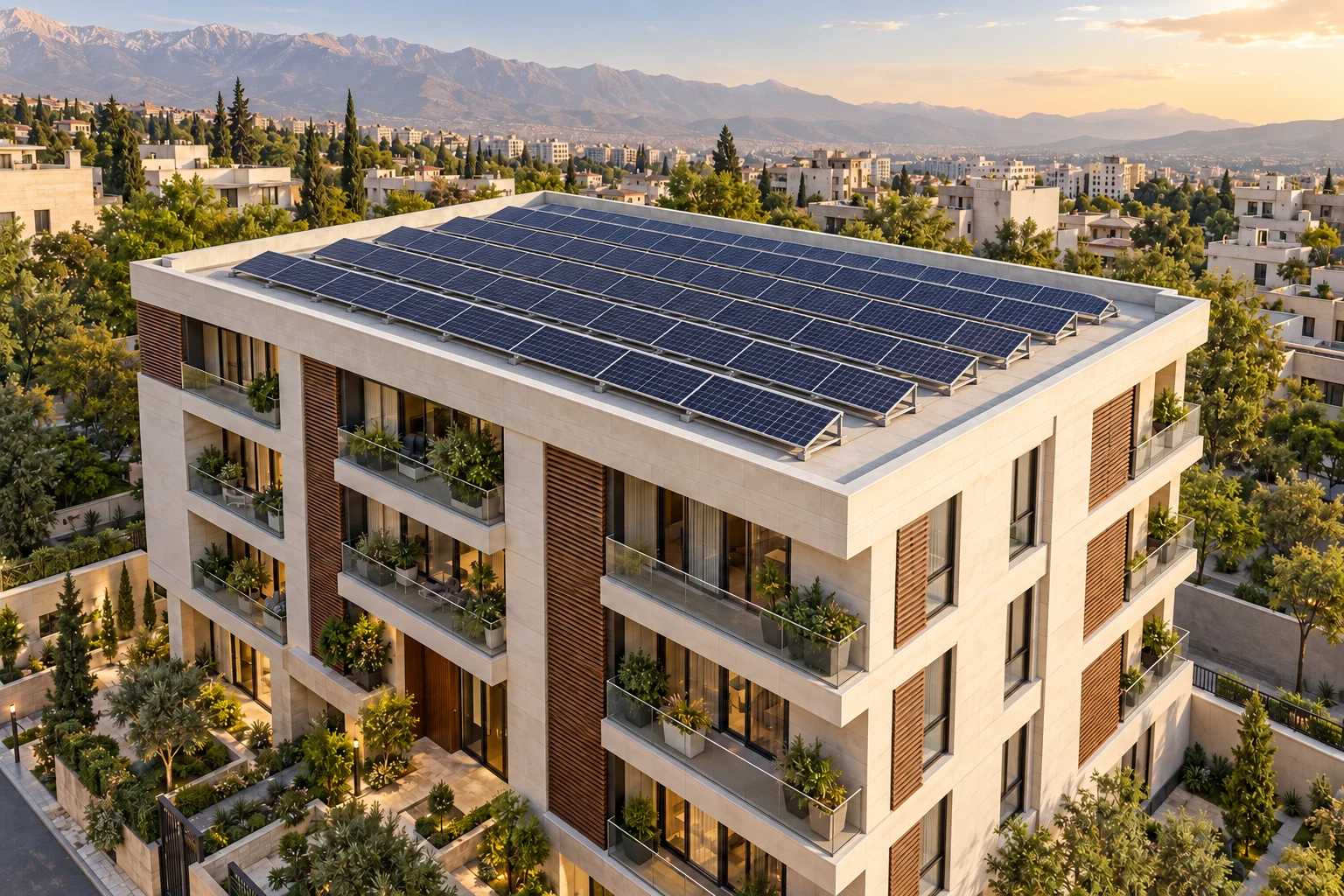
1. Nameplate power is not delivered energy
Module ratings use standard test conditions. Real irradiance and cell temperature vary. For consumption planning, energy over a period matters; instantaneous power and annual energy are different quantities.
2. Inputs for a useful estimate
Record location, array orientation and tilt, seasonal shade, DC capacity and inverter architecture. Cable, conversion and soiling losses need stated assumptions. PVWatts is a starting estimate, not a performance guarantee or site survey.
3. Compare predictions with operation
Interpret measured production alongside irradiance, temperature and availability for the same period. Comparing a cloudy month with a sunny one without context is misleading. Monthly reports should identify data sources, downtime and system changes.
4. If output is below expectation
First distinguish metering or telemetry gaps, grid outages and new shade from equipment faults. Share inverter alerts and production trends with a qualified technician. Do not enter energized equipment to test connections or alter protection.
Check before deciding
- Location, orientation, tilt and shade study
- Exact module capacity and inverter model
- Loss assumptions and monthly generation data
CHECK YOUR UNDERSTANDING
A quick knowledge check
Sources & scope
Named technical review has not yet been recorded.
Preliminary guidance. Structural, safety and construction approval requires the responsible engineer and final model documents.